Michigan Fence Installation Cost Guide
Plan a Michigan fence budget around materials, gates, site conditions, removal, and the full installed scope. Learn what to include when requesting a Boerman estimate.
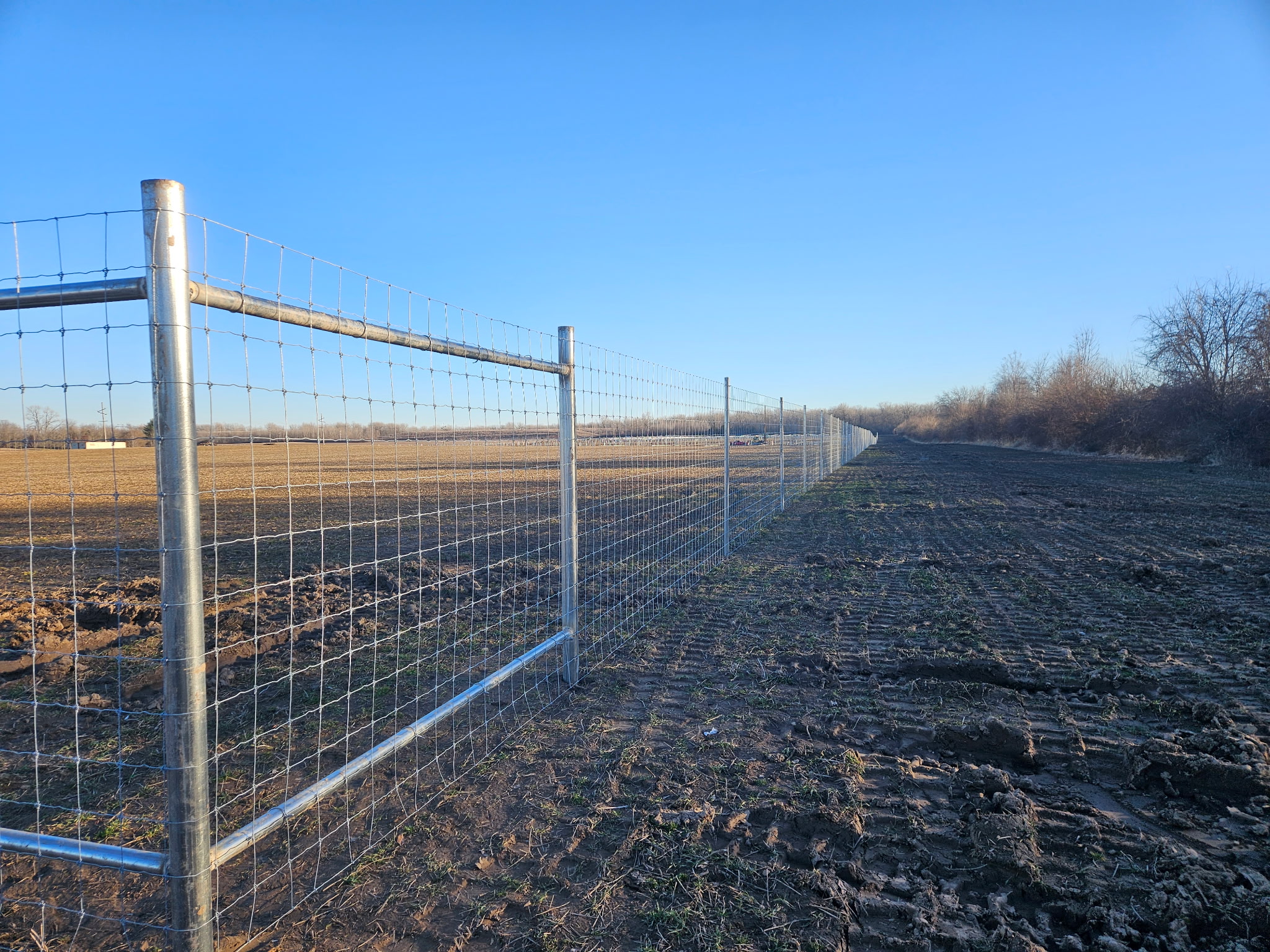
A fence budget starts with what the fence needs to do. Keeping a dog in the yard, dividing a pasture, and controlling access to a commercial property call for different materials, gates, and installation work. A statewide average cannot account for those differences.
Boerman Fencing installs residential, agricultural, commercial, and solar field fencing. This guide explains what to bring to an estimate and how to compare the full installed scope. It does not list price ranges: the right number comes from your project layout, selected materials, and site conditions.
Start with the purpose and layout
Before choosing a fence, mark the areas you need to enclose and the places people, vehicles, or equipment must pass through. Note whether privacy, animal containment, visibility, or security matters most. Those decisions shape the fence system more than a material name alone.
- For a home: consider privacy from neighboring properties, pet behavior, views, yard access, and maintenance preferences. See our residential fence options.
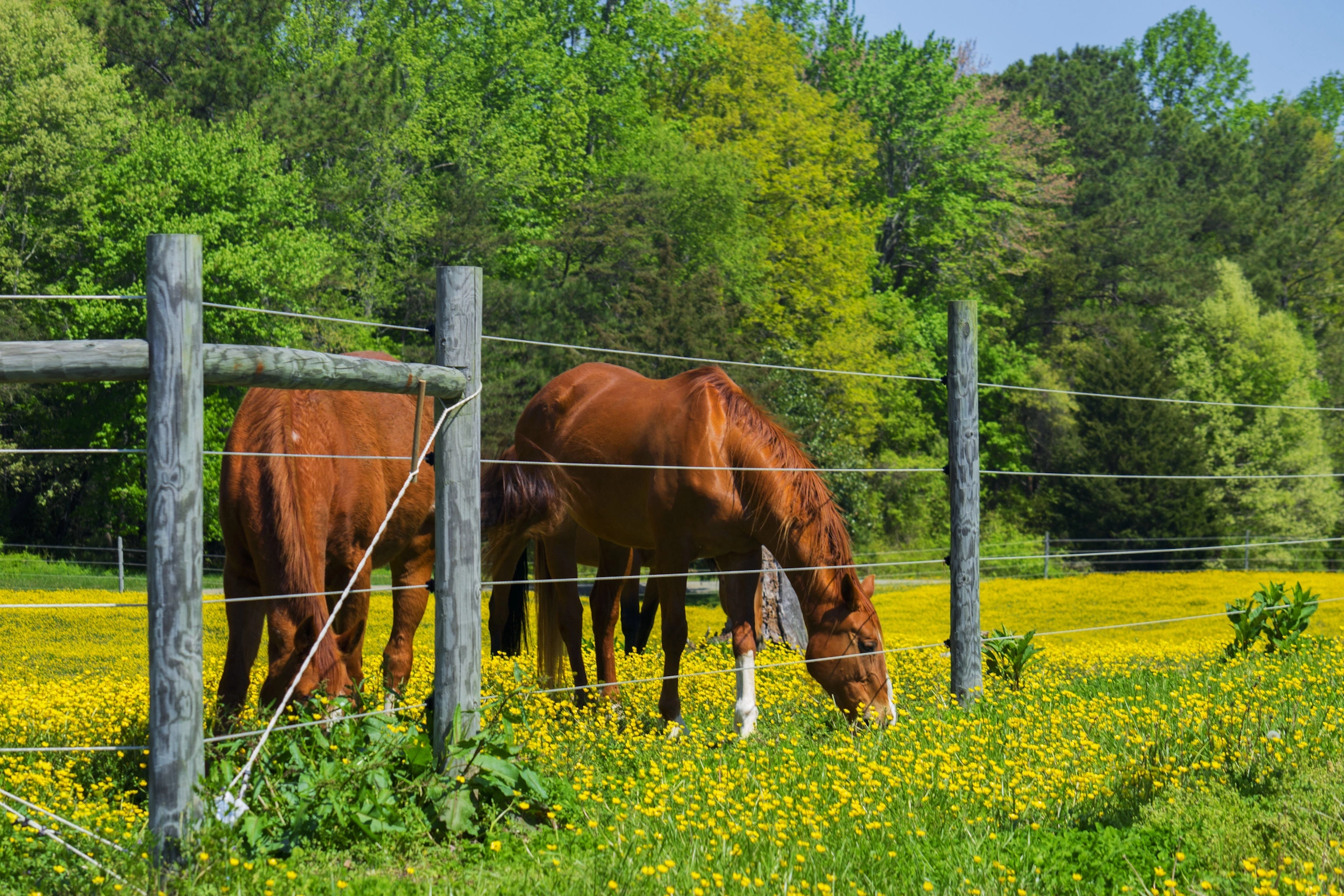
- For a farm: identify the animals, pasture divisions, loading areas, and equipment routes. Fence height, wire configuration, braces, and gates need to suit the job. Explore agricultural fencing.
- For a business: account for deliveries, employee access, security requirements, and how the facility will operate during installation. Review commercial fencing and gates.
What changes the installed cost?
Material, height, and fence configuration
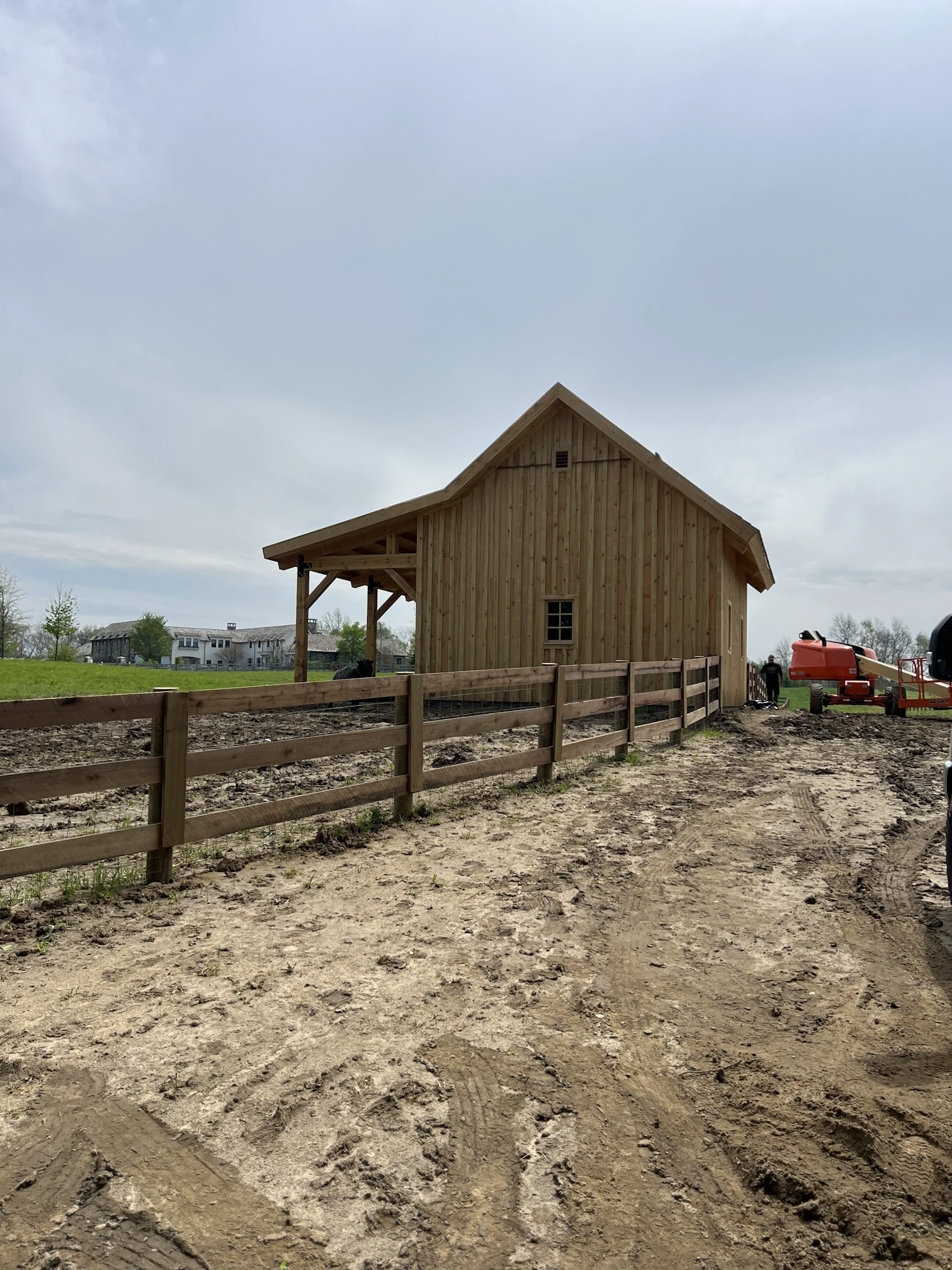
Wood privacy and shadowbox fences have different layouts and material requirements from an open board fence. Vinyl privacy and picket designs serve different needs. Ornamental aluminum preserves an open view; chain link can provide an open boundary or incorporate screening where appropriate. Compare the complete specification, including posts, rails, finish, and hardware, rather than assuming every fence in a material category is equivalent.
Farm projects add another set of choices: woven wire, high-tensile systems, board fencing, and electric components. The appropriate combination depends on the animals and how the property is managed. A lower initial material bill is not useful if the resulting fence does not perform its containment job.
Total length, corners, and transitions
Measure approximate runs to start the conversation, but include corners, changes in direction, and connections to existing fencing. A long straight run and a layout with multiple small enclosures can use the same total footage while needing different posts, bracing, and installation time.
Gates and access
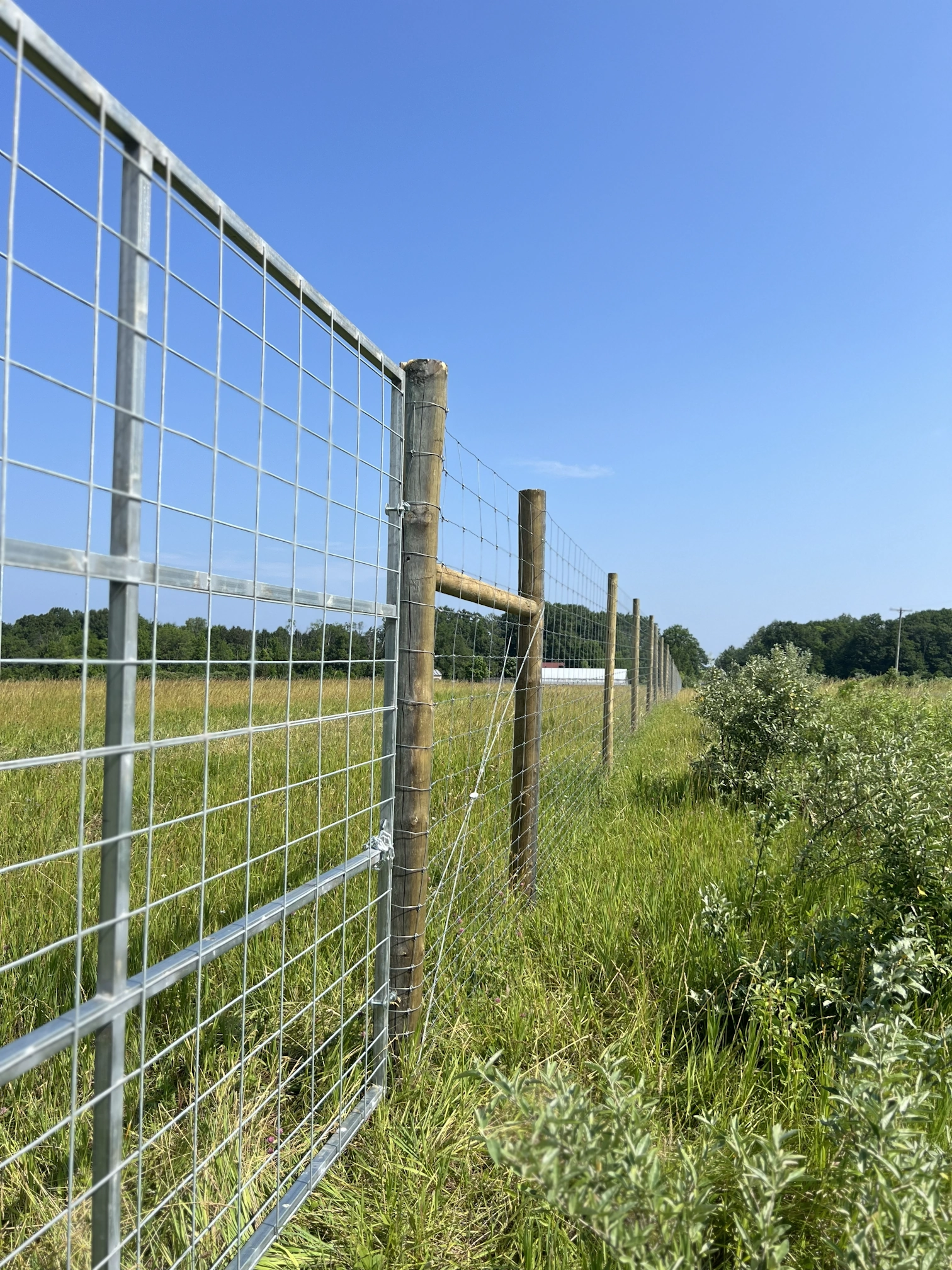
List each opening separately. A walk gate, a wide equipment gate, and an automated commercial entrance are different parts of the budget. Opening width, swing or slide clearance, hardware, and the ground beneath the gate all matter. Where gate automation is part of a commercial project, operators, access controls, and work coordinated with licensed partners should be defined in the scope.
Ground conditions and site access
Grades, obstructions, wet areas, and access for installation equipment can change how the work is performed. Share photos of the fence route and any tight passages. Boerman's on-site walkthrough is the point to confirm grades, materials, gate locations, and the proposed timeline.
Removal, clearing, and finish work
Tell us whether an existing fence needs to come out, whether debris must be hauled away, and whether brush blocks the route. Ask what is included in cleanup and what surface restoration is expected. If clearing is a separate part of the project, our land management services may be relevant to the conversation.
Why two equal-length fences can have different quotes
Imagine two residential projects with the same total footage. One follows an accessible, mostly straight route with a single walk gate. The other replaces an old fence, crosses changing grades, adds several corners, and needs a wide gate for equipment. Even with the same fence material, the second scope involves different work. This is a planning example, not a price estimate or a completed Boerman project.
The useful comparison is the installed fence and included work—not footage alone.
A checklist for comparing fence estimates
- Are the length, height, and material specifications the same?
- Are posts, corner assemblies, rails, wire, finish, and hardware described?
- Does each quote include the same number and size of gates?
- Are removal, disposal, clearing, and cleanup included or separate?
- Are access constraints, grade changes, and unusual ground conditions addressed?
- Who is responsible for confirming property boundaries and applicable project requirements?
- Are electrical or access-control work and any partner responsibilities clearly defined?
- What is the expected schedule, and which conditions could change it?
- What workmanship coverage applies, and what maintenance remains the owner's responsibility?
Consider upkeep as well as installation
Ask what your selected system needs after installation. Wood may involve finish care and individual board repairs. Gates need attention to alignment and moving hardware. Wire systems need checks for tension, damage, and vegetation; electric components also need their intended maintenance. Choose a fence you can maintain for the way you use the property.
Boerman's residential, agricultural, and commercial service descriptions include a five-year workmanship warranty. Ask how that coverage applies to your proposal and how it differs from material coverage or routine upkeep.
Get a project-specific estimate from Boerman
Start with your location, the purpose of the fence, approximate length, desired height or material, gate needs, and photos. Include existing fencing, problem areas, and the timeline you have in mind. Review our service areas and request a free estimate.
Our process is straightforward: request a quote, confirm the details during an on-site walkthrough, then build and review the completed work. A clear scope helps you make a useful comparison and gives the crew a shared plan.
Fence cost questions
Can I get an accurate price from a cost-per-foot figure?
A per-foot figure is useful only when you know what it includes. Gates, removal, clearing, and other project work may be separate. Compare the total proposed scope before choosing a contractor.
Which material is cheapest?
There is no single answer that fits every layout and purpose. Ask for suitable options for your property, then compare the installed scope and upkeep. An option that fails your privacy, access, or containment needs is not a useful saving.
Can photos help with the estimate?
Yes. Boerman asks for project photos when you request a quote. Wide views of the fence route, gate locations, existing fencing, and difficult access points help explain the job before the walkthrough.
Do I need exact measurements before contacting Boerman?
Approximate measurements and a sketch are a useful starting point. Final layout details, grades, materials, and gate locations are confirmed as the project is scoped.

Zac Boerman leads every build with a simple goal: strong, straight, safe fencing that holds up to Michigan weather and hardworking livestock.