Farm Fence Ideas
Practical farm fencing options for Michigan properties, from high-tensile perimeter to board and woven wire systems.
TL;DR
- High-tensile wire is the most cost-effective option for large perimeters and works well in Michigan's freeze-thaw cycles when installed with proper corner bracing.
- Woven wire (no-climb) is the best choice for horses, sheep, goats, and smaller livestock because it prevents hooves from catching and keeps predators out.
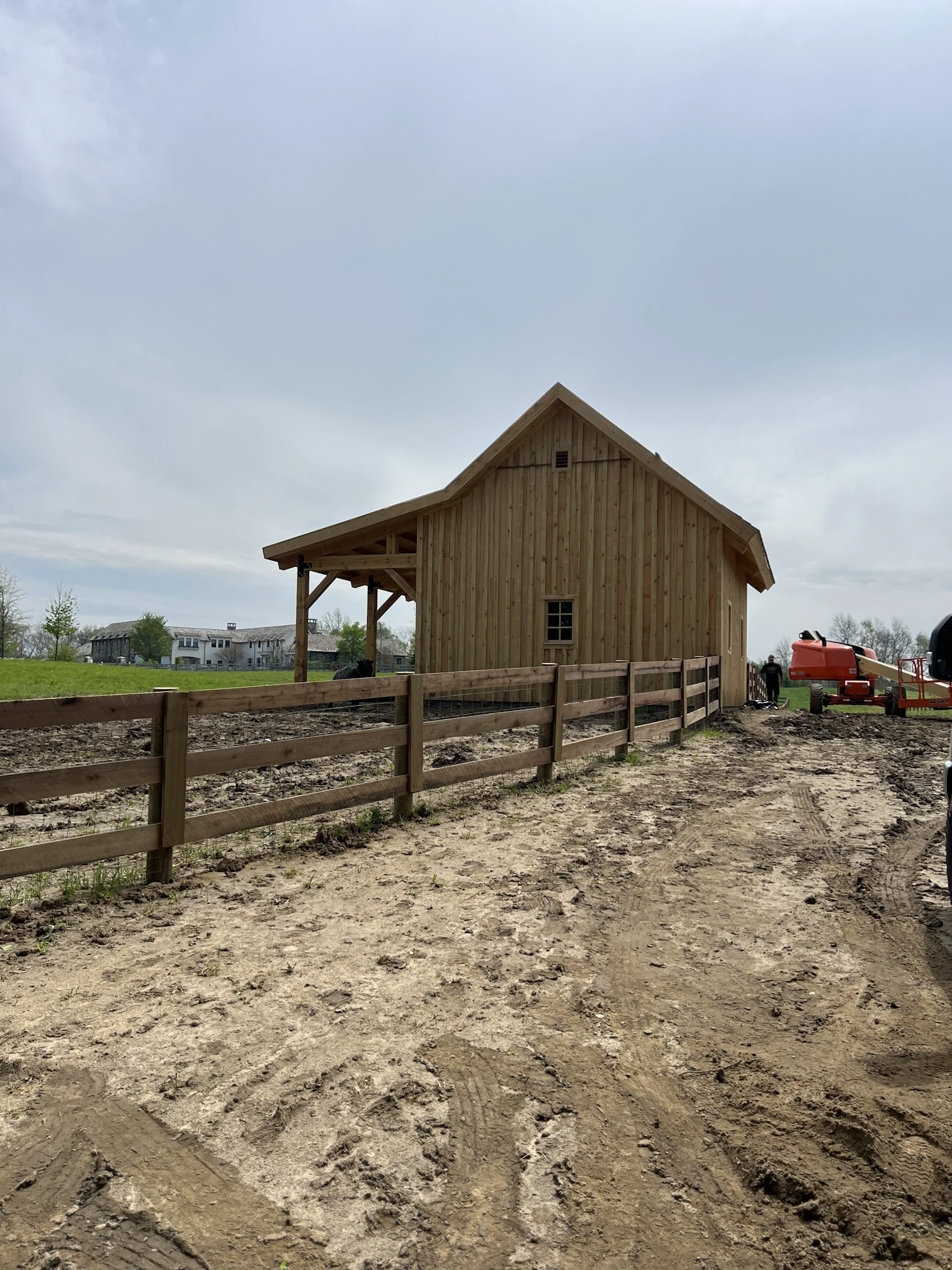
- Board fencing adds curb appeal and works well for horse properties, paddocks, and front pastures where visibility matters.
- Electric systems can extend the life of any fence and add serious control for cattle, but they require year-round maintenance and a reliable charger.
- Most Michigan farms benefit from a combination of fence types based on animal needs, property layout, and budget.
What to Think About Before You Build
Choosing a farm fence is not about picking the nicest-looking option. It is about matching the system to what you are fencing in, what you are keeping out, how much ground you need to cover, and how the fence will handle Michigan weather. The best fence for a beef cattle operation is not the best fence for a horse farm. The cheapest option per foot might cost you more in repairs and lost animals if it does not fit the job.
Here is what matters most:
- What livestock or animals you are containing
- Whether predators are a concern
- How much fencing you need
- Soil type and drainage on your property
- Whether you need visibility for safety or aesthetics
- Your maintenance capacity and budget over time
We install agricultural fencing across Michigan, and most projects use more than one type. A perimeter might be high-tensile, while paddocks closer to the barn use woven wire or board. Gates, corners, and bracing matter as much as the wire or boards between the posts.
High-Tensile Wire Fencing
What It Is
High-tensile fencing uses smooth or barbed wire under high tension, typically five to seven strands, with posts spaced farther apart than traditional barbed wire. The wire is stronger, the system is lighter, and it holds tension longer. Corners and H-braces carry the load, so line posts can be lighter and spaced wider.
Best For
- Beef cattle
- Large perimeter fencing
- Properties with long fence lines and tight budgets
- Farms that want low maintenance and long-term durability
Why It Works in Michigan
High-tensile systems flex with freeze-thaw movement instead of fighting it. The wire contracts in winter and expands in summer, but the tension stays consistent if the corners are built right. It sheds snow and ice better than woven wire, and it does not sag under weight the way traditional barbed wire does.
We use in-line strainers and springs on longer runs so the fence can move without losing function. Properly tensioned high-tensile wire lasts decades and rarely needs restringing.
Limitations
High-tensile is not ideal for horses because they can run through it if spooked. It does not work well for sheep, goats, or smaller animals unless you add more strands or pair it with woven wire at the bottom. Visibility can also be an issue near roads or trails where people or vehicles need to see the fence line clearly.
Woven Wire (No-Climb) Fencing
What It Is
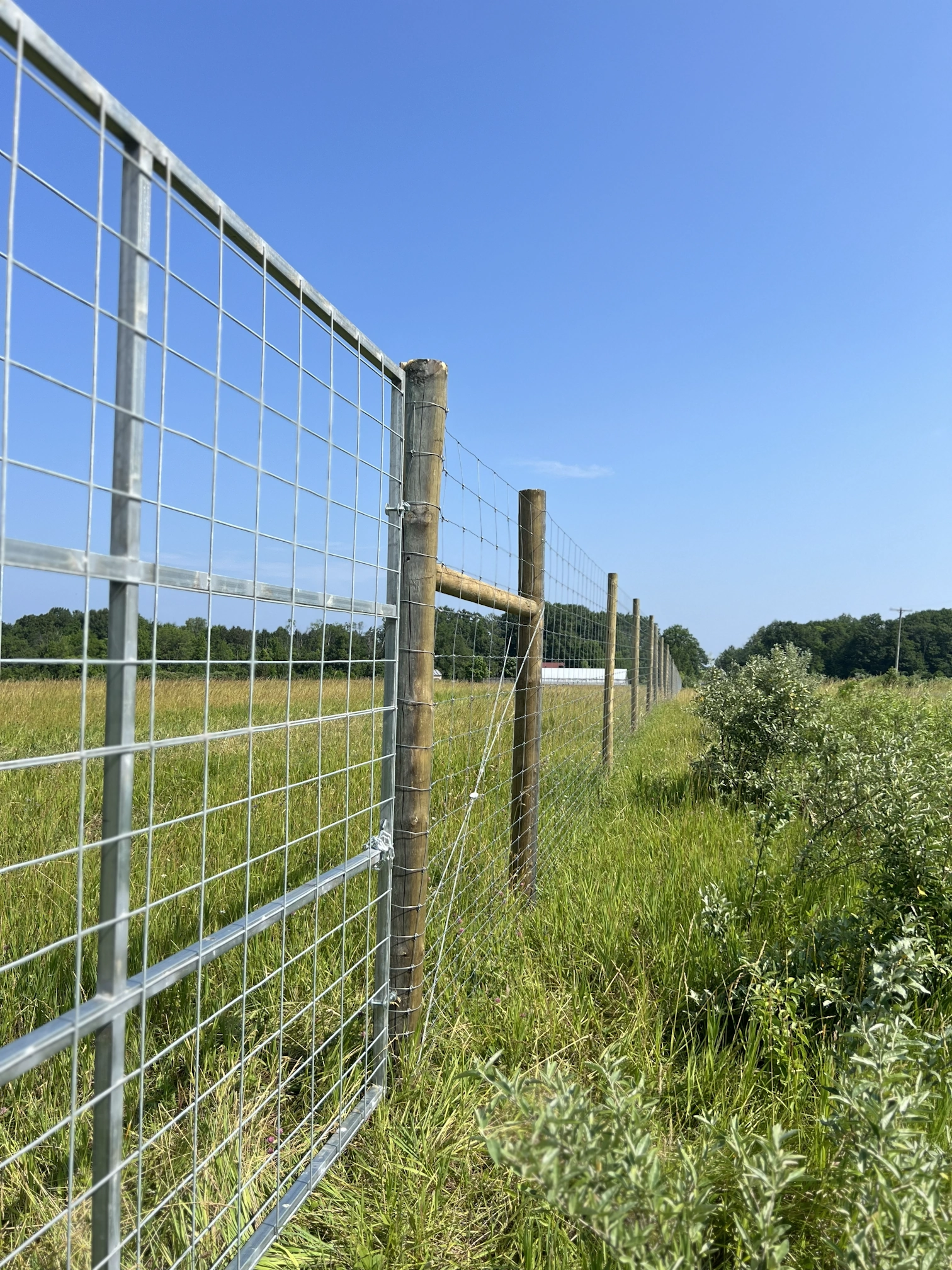
Woven wire is a grid of horizontal and vertical wires twisted together to form small, consistent openings. No-climb versions use a two-by-four-inch pattern that prevents hooves, heads, and predators from getting through. It is installed under moderate tension and supported by sturdy line posts and strong corners.
Best For
- Horses
- Sheep and goats
- Properties where predator pressure is high
- Paddocks, sacrifice lots, and high-traffic areas
- Farms that need a secure, long-lasting perimeter
Why It Works
Woven wire keeps animals in and threats out. Horses will not get a hoof caught. Sheep and goats will not push through or climb over. Coyotes and stray dogs have a much harder time getting to your livestock. The grid is visible, so animals learn the fence line fast and respect it.
We pair woven wire with a top board or a single strand of electric to add height and prevent leaning. That combination is one of the most effective setups for mixed-use horse farms.
What to Watch
Woven wire costs more per foot than high-tensile and takes longer to install. It also holds snow and ice, which can add weight and stress to the fence during heavy winters. Posts need to be set deep, and corners need to be overbuilt because the fence does not flex the way high-tensile does.
If your soil has a lot of clay or holds water, make sure your installer accounts for frost heave. Woven wire does not tolerate shifting posts as well as lighter systems.
Board Fencing
What It Is
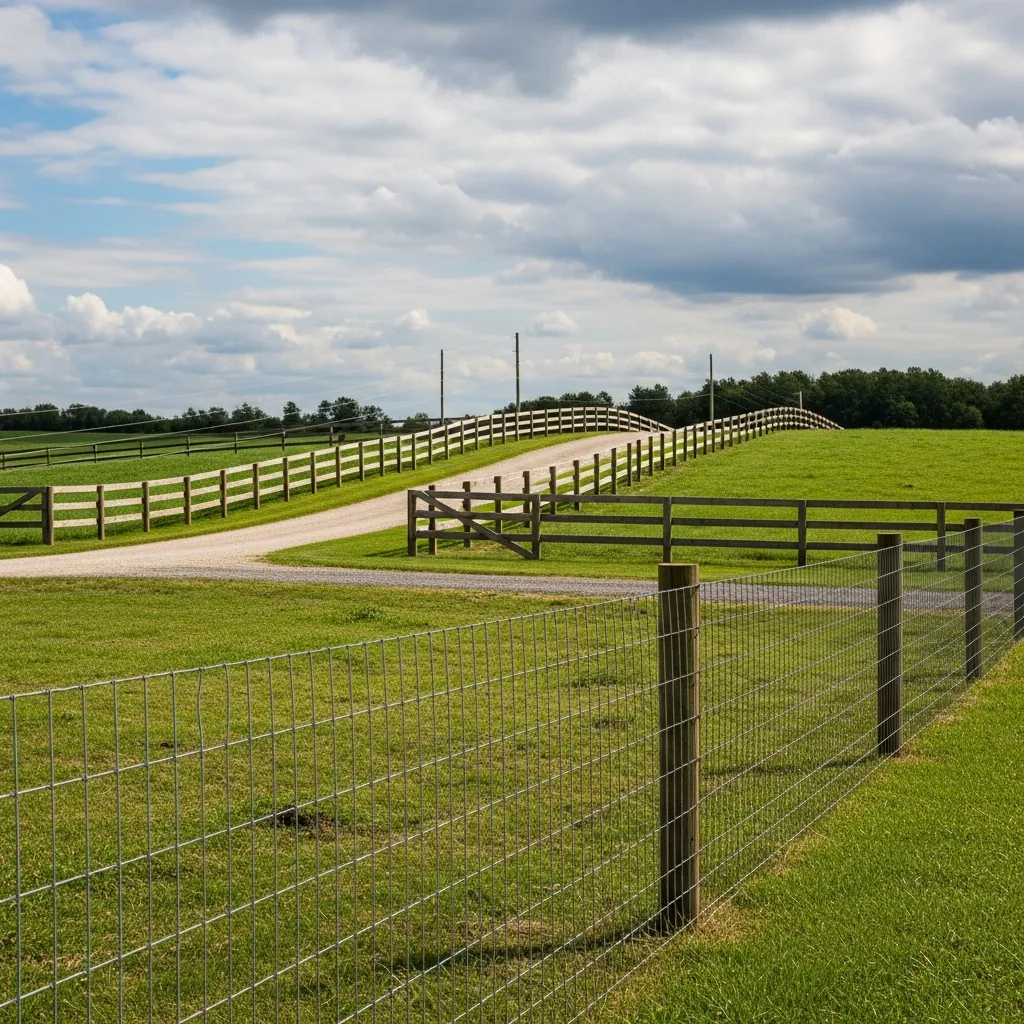
Board fencing uses horizontal wood rails, typically three or four boards, attached to heavy posts. It is clean, visible, and traditional. Some farms use treated lumber. Others go with painted pine or hardwood. Vinyl-coated board systems are also available for a low-maintenance look.
Best For
- Horse farms and boarding facilities
- Front pastures and high-visibility areas
- Properties where aesthetics and property value matter
- Paddocks close to barns, arenas, or driveways
Why People Choose It
Board fencing looks sharp and holds up well when maintained. Horses see it clearly and rarely challenge it. It is strong enough to handle rubbing and leaning, and it is easy to repair if a board cracks or a post shifts.
We often combine board fencing with woven wire or electric on the inside. That setup gives you the visibility and strength of boards with the containment and predator protection of wire.
Maintenance Reality
Board fences need more attention than wire systems. Wood can rot, warp, or split, especially if it stays wet or is not treated properly. Paint or stain needs to be refreshed every few years. Posts set in clay soil can heave during freeze-thaw cycles, which throws boards out of alignment.
Vinyl-coated or PVC board systems reduce maintenance but cost significantly more up front. They also become brittle in extreme cold, which can be an issue during hard Michigan winters.
Electric Fencing
What It Does
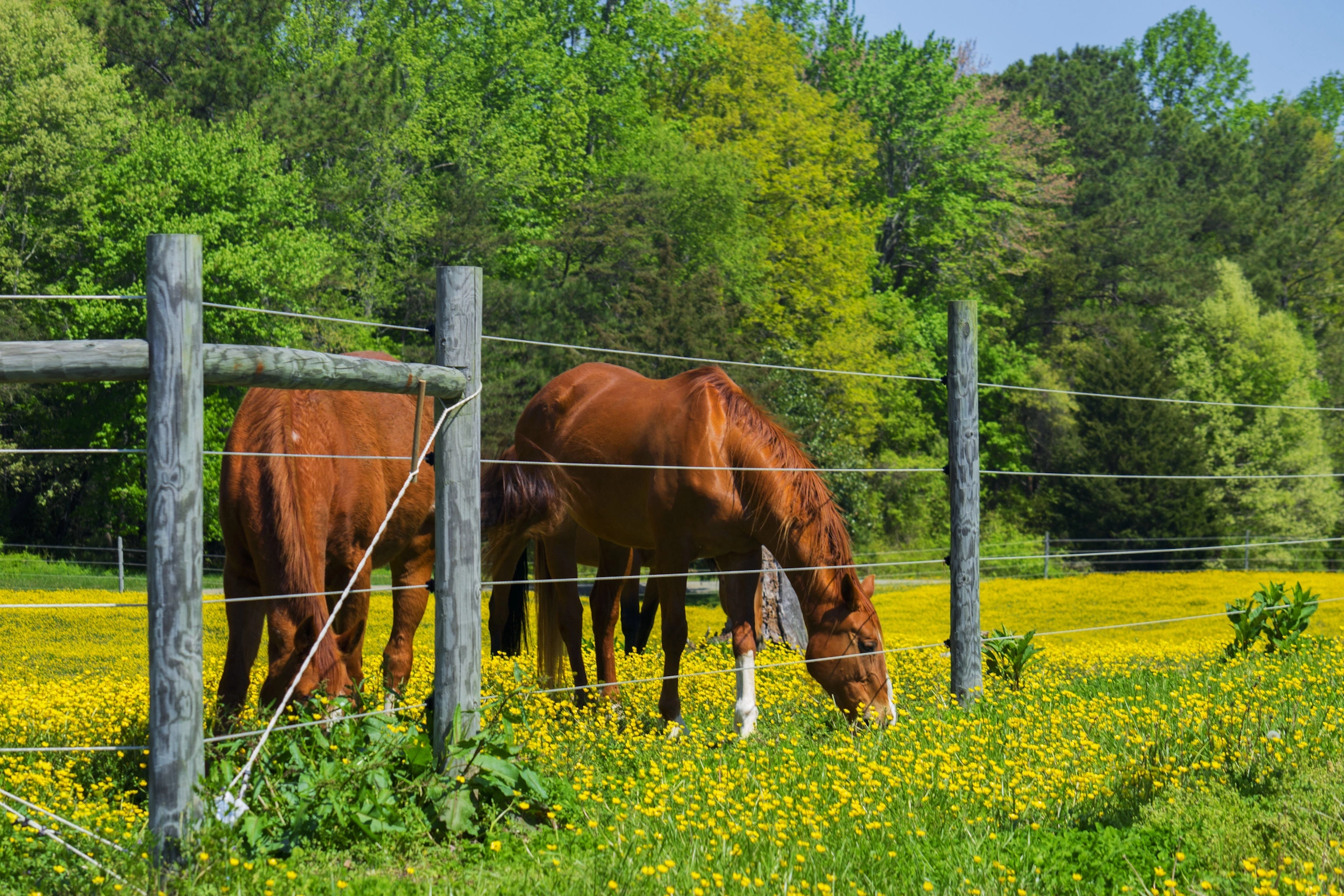
Electric fencing delivers a short, sharp shock when an animal touches the wire. It is used as a standalone system or added to existing fences to reinforce boundaries and discourage leaning, rubbing, or testing the fence line.
Best For
- Cattle rotational grazing
- Temporary paddock divisions
- Adding control to board or woven wire fences
- Training animals to respect boundaries
How We Use It
Most farms pair electric with another fence type. A single hot wire along the top of a woven wire fence keeps horses from leaning. A strand along the inside of board fencing prevents chewing and rubbing. Cattle operations use polytape or polywire on step-in posts for rotational grazing that can be moved every few days.
Electric systems are affordable and flexible, but they require a good charger, proper grounding, and regular checking. Weeds, snow, and broken insulators will short out the fence. If you are not checking it weekly during the growing season, it will fail when you need it most.
Year-Round Considerations
Michigan winters can be hard on electric systems. Snow loading can ground out wires. Chargers need to stay dry and functional. Grounding rods need to stay effective even when the soil freezes. We see a lot of farms that run electric in the growing season and rely on their perimeter fence during winter.
Choosing the Right Fence for Your Farm
Cattle
High-tensile with five to seven strands works for most beef cattle operations. Add a hot wire if you need more control. Corners and H-braces need to be bulletproof because cattle will test them.
Horses
Woven wire with a top board or hot wire is the safest and most durable option. Board fencing works well in high-visibility areas. Avoid barbed wire and traditional high-tensile unless you pair it with something horses can see.
Sheep and Goats
Woven wire with small openings and a hot wire along the top and bottom. Goats will climb or push through anything less secure. Sheep need predator protection, so woven wire is almost always the right call.
Mixed Livestock
Use woven wire as the base and adjust from there. Add a hot wire for cattle. Add boards or a top rail for horses. Build your corners to handle the heaviest load, and make sure gates are wide enough for equipment and trailers.
What Matters Most in Michigan
Michigan soil and weather will test your fence. Clay soil shifts during freeze-thaw cycles, which means posts need to be set below the frost line and braced properly. Corners and H-braces carry the load in any tensioned system, so cutting corners on those will cost you later.
Drainage matters. Fence lines that hold water will rot posts, heave in winter, and create weak spots. If your property has low areas or clay pockets, plan for gravel backfill and treated posts.
Gates get used hard, so buy quality hardware and oversize your posts. A sagging gate is a maintenance headache and a security risk. We build gate openings with extra bracing and use adjustable hinges so you can tune them as the ground shifts.
Most farm fencing projects benefit from professional installation, especially if you are covering a lot of ground or working with livestock that need serious containment. Tension, bracing, and post depth make the difference between a fence that lasts twenty years and one that starts sagging in two.
Bottom Line
The best farm fence is the one that matches your animals, your property, and your long-term plan. High-tensile works for cattle and large perimeters. Woven wire works for horses, sheep, goats, and predator control. Board fencing adds visibility and value in the right spots. Electric systems extend control and flexibility.
Most Michigan farms use a combination based on use, budget, and layout. Corners, bracing, and post depth matter more than the wire or boards between them. If you are planning a farm fence project and want it done right the first time, Boerman Fencing Co. installs agricultural fencing across Michigan with the experience and equipment to handle everything from small paddocks to hundred-acre perimeters. We offer free estimates, clear timelines, and fencing that holds up to Michigan weather and real farm use.
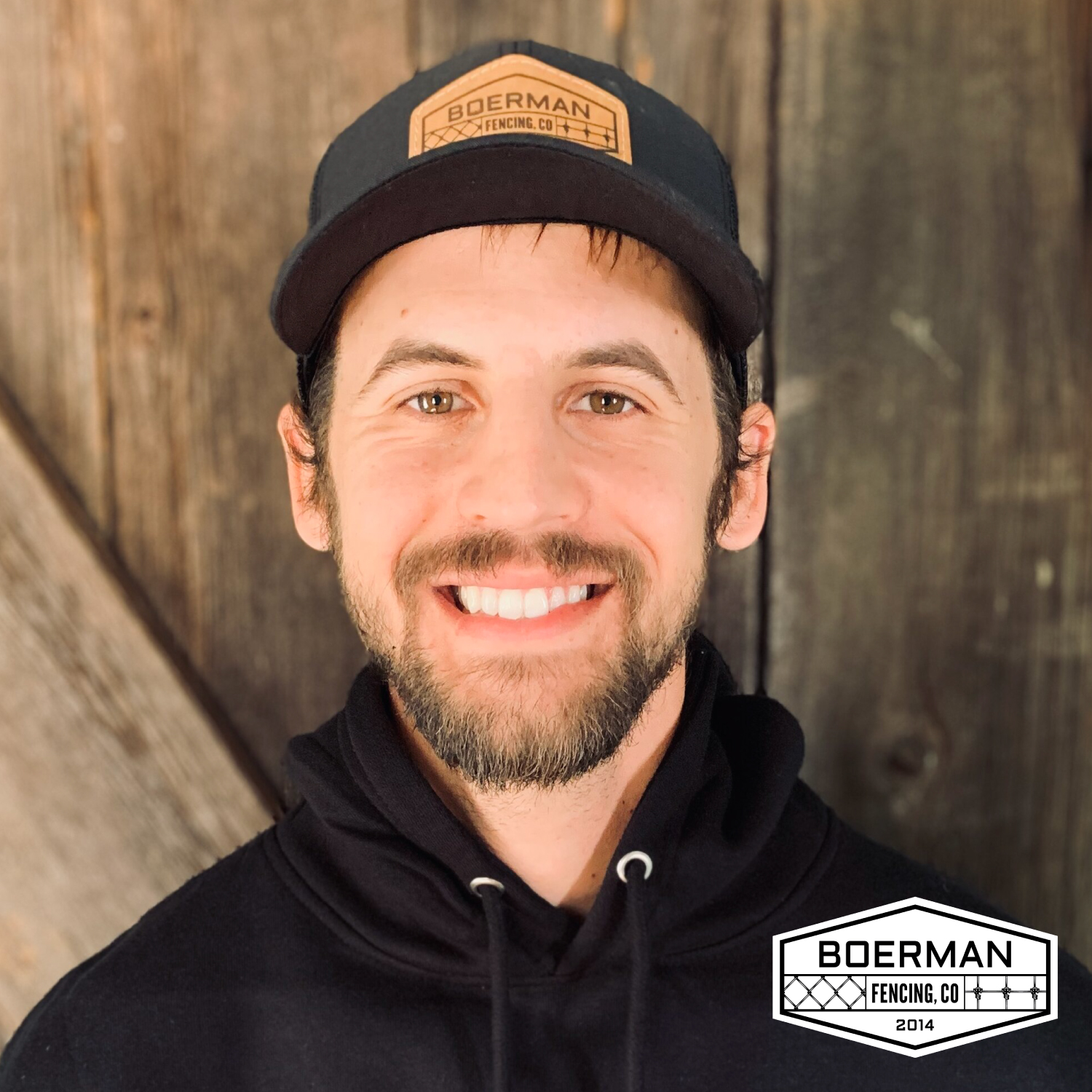
Zac Boerman leads every build with a simple goal: strong, straight, safe fencing that holds up to Michigan weather and hardworking livestock.